
Our work
Selected engagements illustrating our approach to structural analysis, seismic qualification, fracture mechanics, and independent design verification for safety-critical systems.

Performed seismic qualification analysis for a multi-story steel frame supporting glove box equipment in a tritium separation system at a Canadian nuclear research facility. The analysis addressed NBCC-2020 seismic loads for non-structural components, including multi-mode response, torsional effects, and anchor bolt design.
Key contribution: Developed supplemental torsional effects analysis using both simplified accidental eccentricity (NBCC Art. 4.1.8.12) and conservative envelope approaches, demonstrating that the symmetric frame configuration maintained adequate margins under combined seismic and torsional loading.

Conducted engineering assessment for a non-conformance report arising from seismic qualification testing per IEEE Std 344-2013. The equipment exhibited response amplifications exceeding the Required Response Spectrum (RRS) at specific frequency bands during triaxial shake table testing.
Key contribution: Quantitative analysis demonstrated that while SRS exceeded RRS at narrow frequency bands, the broadband energy content and equipment functional performance remained within qualification acceptance criteria, supporting a technically justified use-as-is disposition.

Provided independent design verification for pressure-retaining components in high-temperature service, including stress classification, fatigue screening, and creep assessment. Verified compliance with ASME BPVC Section VIII Division 2 design-by-analysis methodology.
Key contribution: Identified conservatism gaps in the original stress classification at geometric discontinuities, leading to revised linearization paths that more accurately captured peak stress intensities and improved fatigue life predictions.
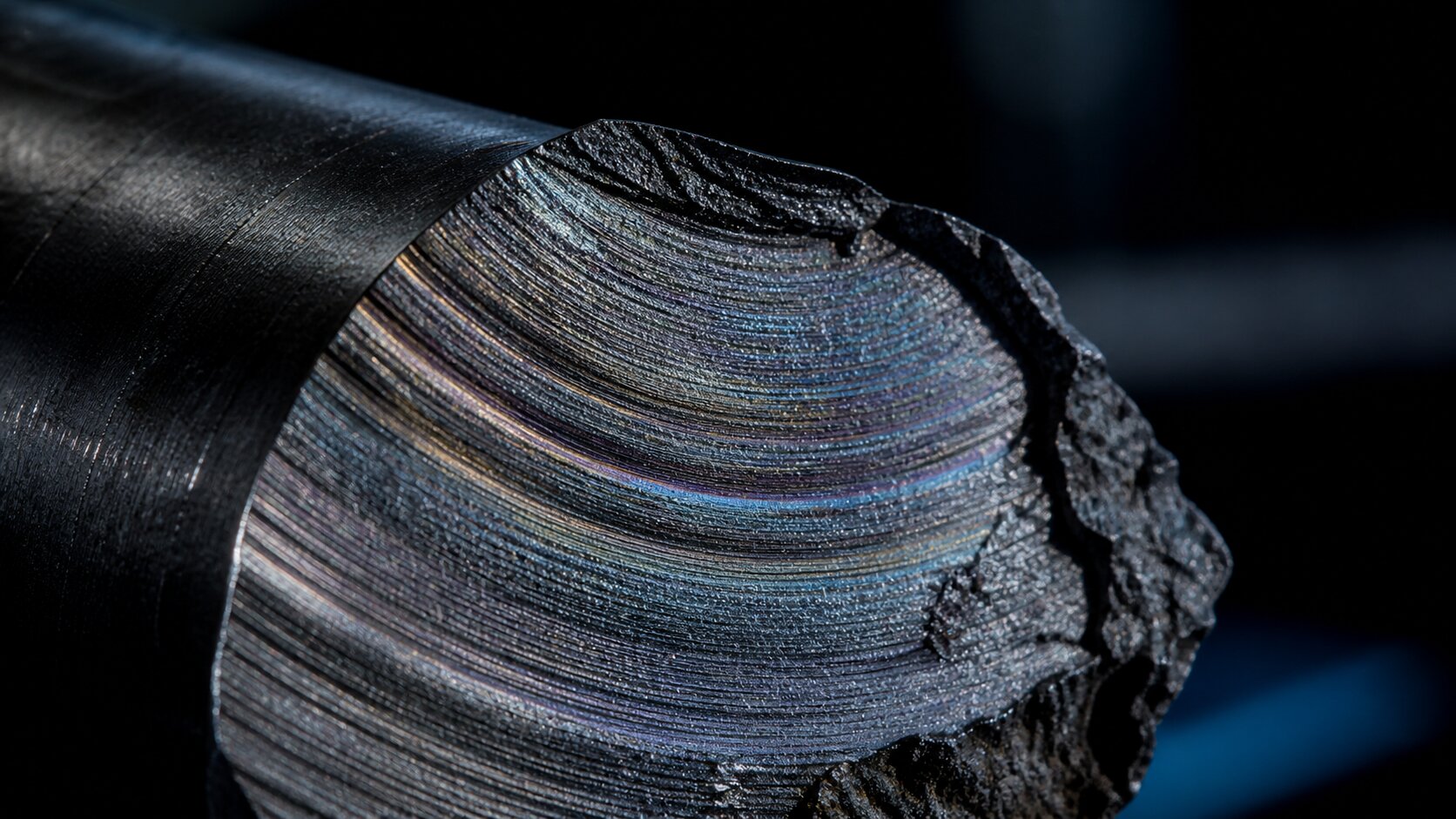
Conducted fitness-for-service evaluation for an aging piping system with service-induced flaw indications detected during periodic inspection. Applied fracture mechanics methodologies to establish remaining life, set re-inspection intervals, and support continued operation decisions.
Key contribution: Established that detected indications remained within acceptable limits per Failure Assessment Diagram (FAD) Level 2A analysis, with crack growth projections supporting a 5-year re-inspection interval under current operating conditions.
Tell us about your engineering challenge. We will review your inquiry and respond with an initial assessment of scope, approach, and how our judgment can strengthen your technical position.
Engage our team